
At this time of year, Lower Normandy, especially the part near the coast from the Cotentin Peninsula to Le Havre is full of people. I’m continually amazed and, yes, often dismayed at how greatly industrial tourism has penetrated and altered so many parts of the world. Time was when, other than the French themselves, most tourists in France came from Britain and America. Britain is still well represented, especially in the region I’m writing about, since Normandy is very much Britain’s near abroad. Americans, however, are scarcer then they once were, and this is too bad for a reason I’ll come to below.
Author: Eric Farber
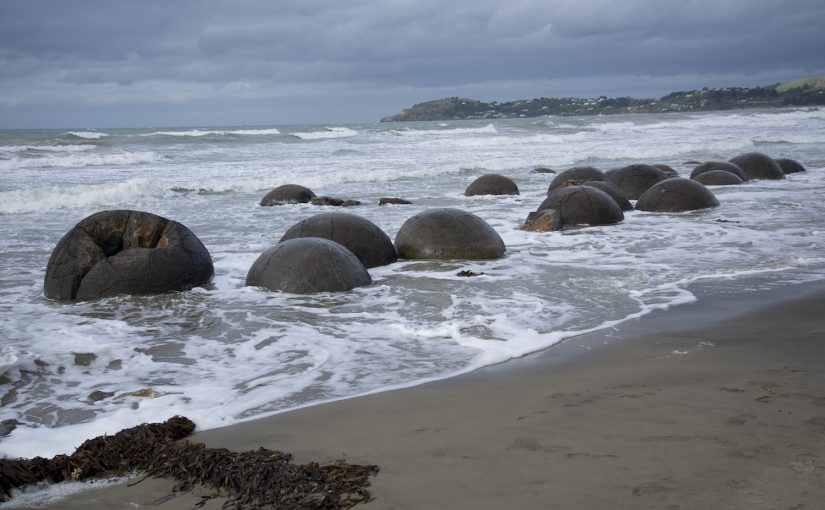
The Road to Dunedin
To continue our road trip through New Zealand’s South Island we needed a new destination. We chose the city of Dunedin (pronounced Done-Eden) in the Province of Otago on the Southeast Coast. We had read about a protected Albatross colony near that city, the only one in the world that could be approached without water wings. It would serve us as a fine point of interest. The Albatross had intrigued us ever since we had read Coleridge’s The Rime of the Ancient Mariner years ago in school. We had never seen one, a fact not surprising since this strange bird spends almost its entire life at sea.

Auckland Days and More Adventures on the North Island

Our memories of Auckland, New Zealand’s largest city, are so entwined with those of our friends, Pam and Ian that we have to write some words about this gracious couple right from the start. Not only did they drive us to and from the airport, they introduced us to their country, housed and fed us in style, rescued us from a wrong train station, and made excellent and accurate travel suggestions. Coming together each day in the kitchen at wine-o’clock, we would laugh, converse in lively fashion, and watch Pam prepare her scrumptious meals. Having the guidance and friendship of our New Zealand friends transformed ordinary travel experiences into ones much deeper and richer.
Continue reading Auckland Days and More Adventures on the North Island

Land of the Long White Cloud

It has been more than two weeks since our Qantas flight from Brisbane touched down at Auckland’s airport and our friend Pam met us and drove us to One Tree Hill, a city landmark from which we gazed at New Zealand’s largest city in every direction.

Queenstown and the West Coast

Are you into extreme sports? If so, then Queenstown, New Zealand is the place for you. Para gliding, hang gliding, skydiving, bungee jumping, jet boating, white-water rafting, and 4×4 off-road buggy rides are yours to choose from. For a price, of course. Always for a price. You can also bike, tramp (hike), camp, kayak, ride a gondola up a steep mountainside, and take helicopter flights. If outdoor sports are your thing, then there can be few places in the world to equal Queenstown in diversity.

Brisbane and Noosa
Arriving at Brisbane’s airport on a Qantas flight from Alice Springs, we are met by Tim and Jan, our good friends from Istanbul days who have now returned to their home after ten years abroad. From the moment of our arrival until our departure more than a week later we will bask in their company. I’ll say right off how nice it is to be driven instead of driving myself and not to have to puzzle our way through yet another big city. Our friends are magnificent hosts who have planned our stay beautifully.
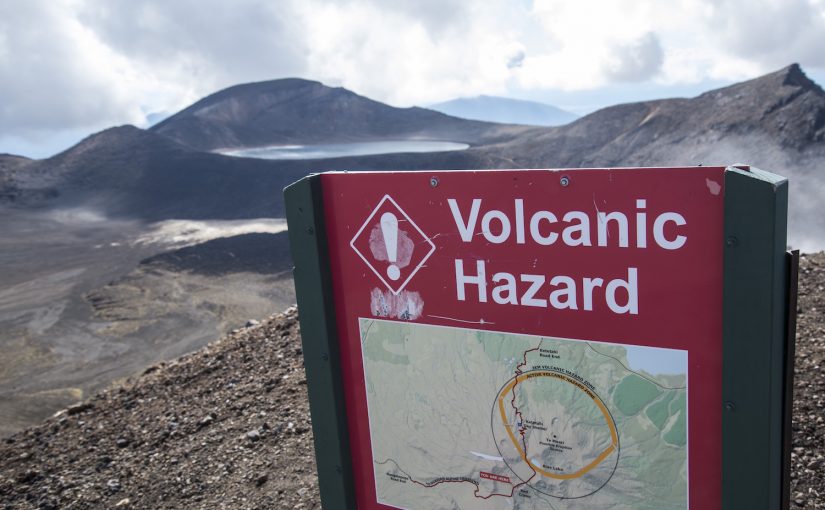
The Walk of a Lifetime
April 4, 2014. I took the walk of a lifetime today. The Tongariro Alpine Crossing on the North Island is said to be New Zealand’s best one-day walk. I must say I had serious misgivings about taking on this adventure. Even though I am reasonably fit for my age, what I had read made me think that its length and nature might be beyond my capacity. Besides, a couple of days ago in Auckland Bay, I walked with our friend Pam up the slope of an extinct volcano on the island of Rangitoto. It was a much shorter walk than todays, yet it still left me sweaty and depleted.
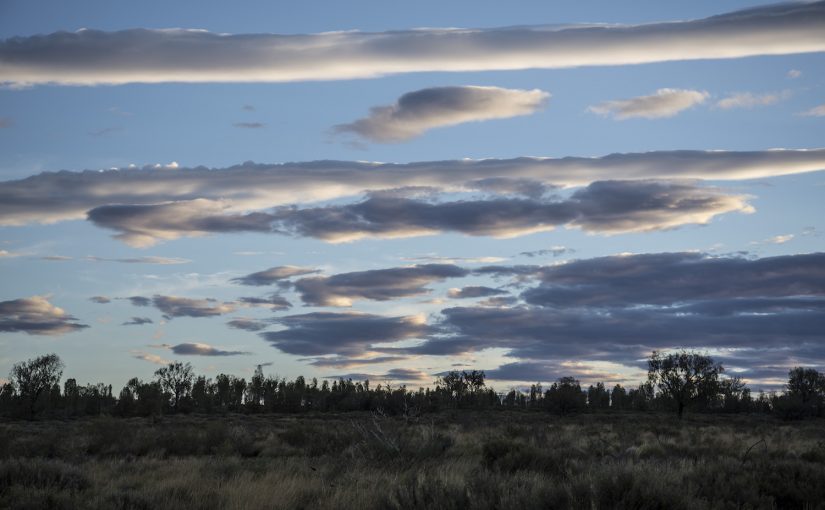
The Red Centre
Look at a map of Australia, and you’ll find the town of Alice Springs almost exactly in the center of the continent and at least 1,000 miles from any other large settlement. Remember that 70% of Australia is uninhabitable desert except for Aborigines and certain alien-looking trees, plants, reptiles, small birds and marsupials. There is very little water there. The Aborigines that crisscrossed this land for tens of thousands of years until the beginning of the 19th century were exceptional. They could find water by digging with sticks under certain plants. They found nourishment by sucking nectar from desert flowers and eating grubs, ants, bush tomatoes, and tiny plant seeds they would grind into flour.
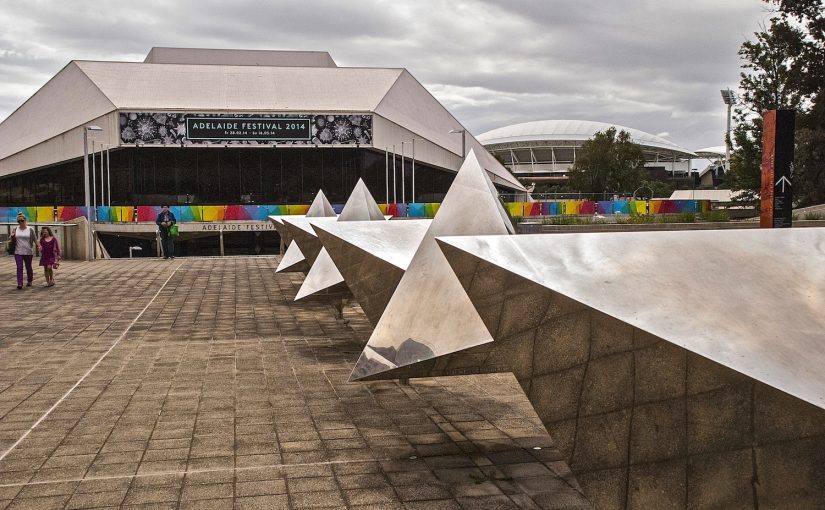
Adelaide, City of Churches
Yes, Adelaide is so called, yet if that appellation bespeaks a city sedate and unadventurous, we can only refute it. On Friday, March 14, the day we arrived, the city was celebrating the end of two festivals and the unofficial beginning of St Patrick’s Day. Along with crowds of pedestrians swarming the pavements and buskers aplenty, the cafes and bars were doing big business.
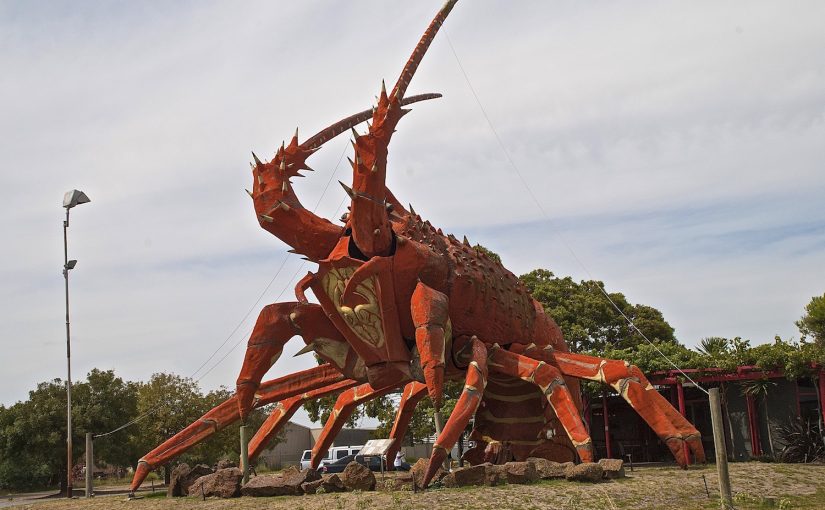
On the road to Adelaide
For those of you following our progress, our next major destination after Tasmania was the City of Adelaide where we would spend four days. To get there we rented a Toyota Rav 4, from the Melbourne Airport and prepared to drive more than 1,200 kilometers, taking in what is said to be Australia’s most spectacular stretch of coast, The Great Ocean Road.